01 · Background
Historically, summer music programs in the United States have centered on the marching music arts, most notably Drum and Bugle Corps. These ensembles were initially borne out of community organizations such as the American Legion, the Veterans of Foreign Wars, and the Boy Scouts of America. While these groups created valuable opportunities for many young musicians, they also carried unspoken limitations. A common criticism was — and still is — that they tend to cater to specific demographics and socioeconomic statuses, leaving others excluded.
As a result, many students of color — primarily those in African American and Hispanic communities — did not view these types of summer music programs as culturally viable or worthwhile endeavors. Over time, as Drum and Bugle Corps evolved into the highly competitive and financially demanding organizations seen today, these socioeconomic barriers only intensified. Talented students from low-income households would often find the cost of participation prohibitive, even when limited scholarships were available. Consequently, many students instead chose to work summer jobs or disengage from structured music-making during the summer months.
This absence of meaningful musical engagement denied them access to high-quality instruction, enrichment, and a sense of belonging in a broader musical culture. It should also be noted that the summer months introduced additional risks for students in underserved communities, where crime rates and social vulnerabilities may have been higher.
02 · Problem Statement
The problem this study addresses is the lack of accessible and culturally-relevant summer music education programs for students from low-income and diverse backgrounds. Traditional summer programs, such as Drum and Bugle Corps, often unintentionally exclude these populations due to financial barriers and a lack of cultural connection. Without viable alternatives, students miss opportunities for enrichment, mentorship, and safe community engagement.
03 · Purpose Statement
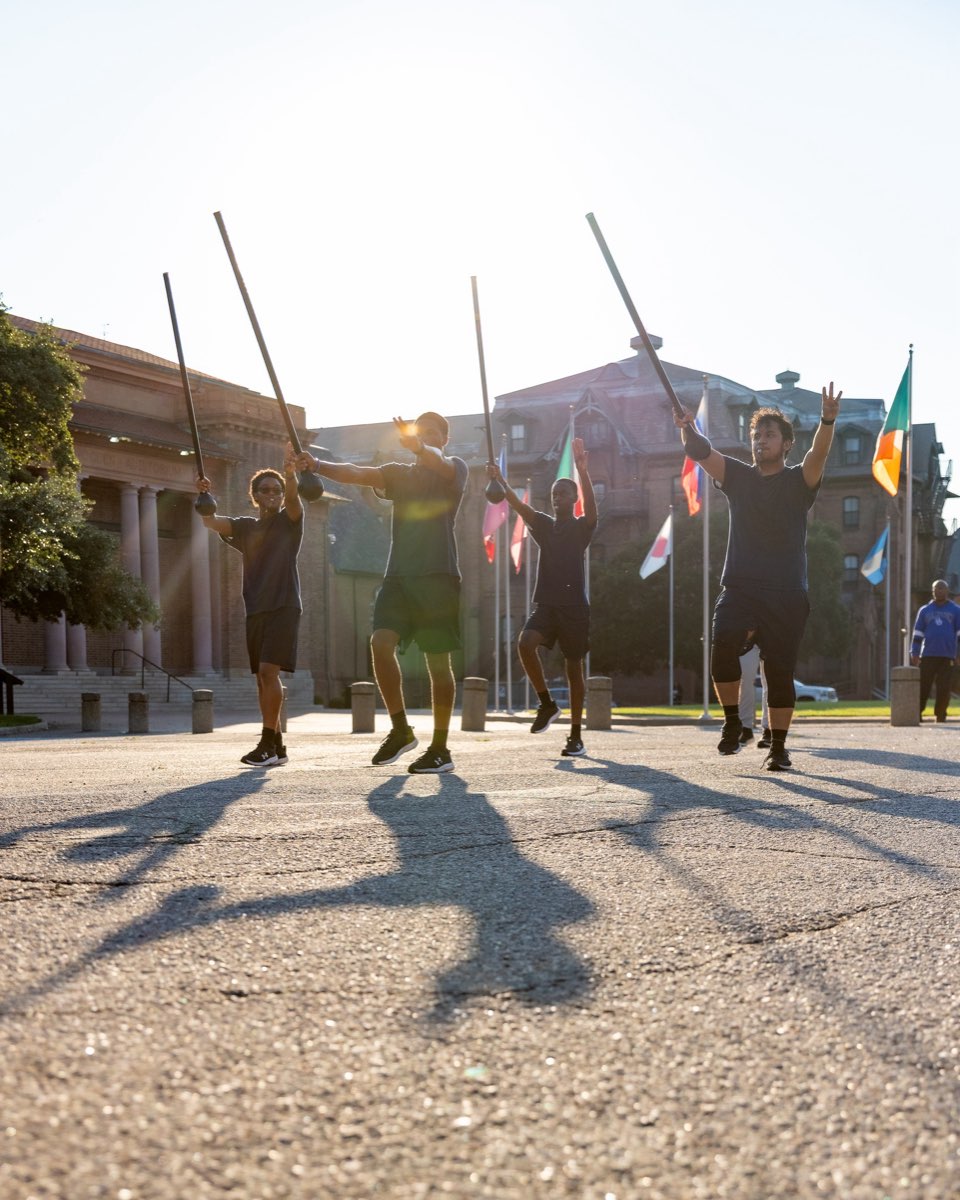
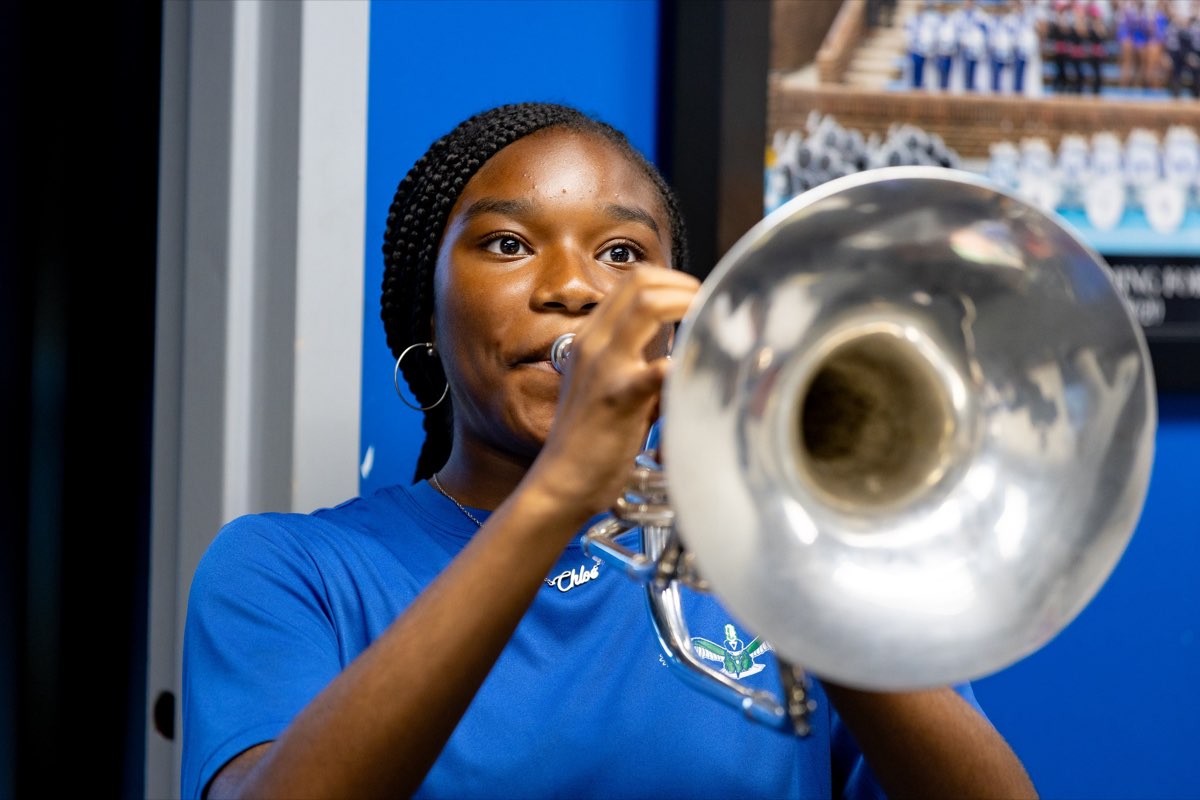
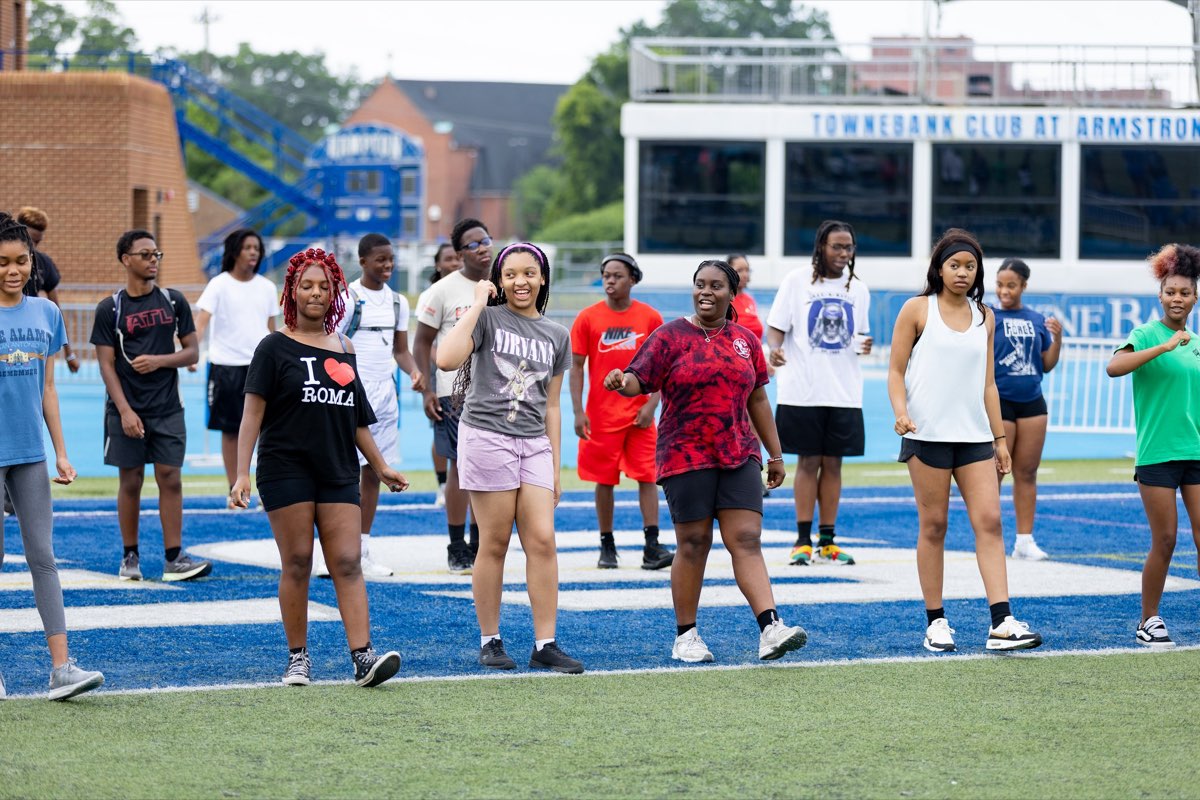
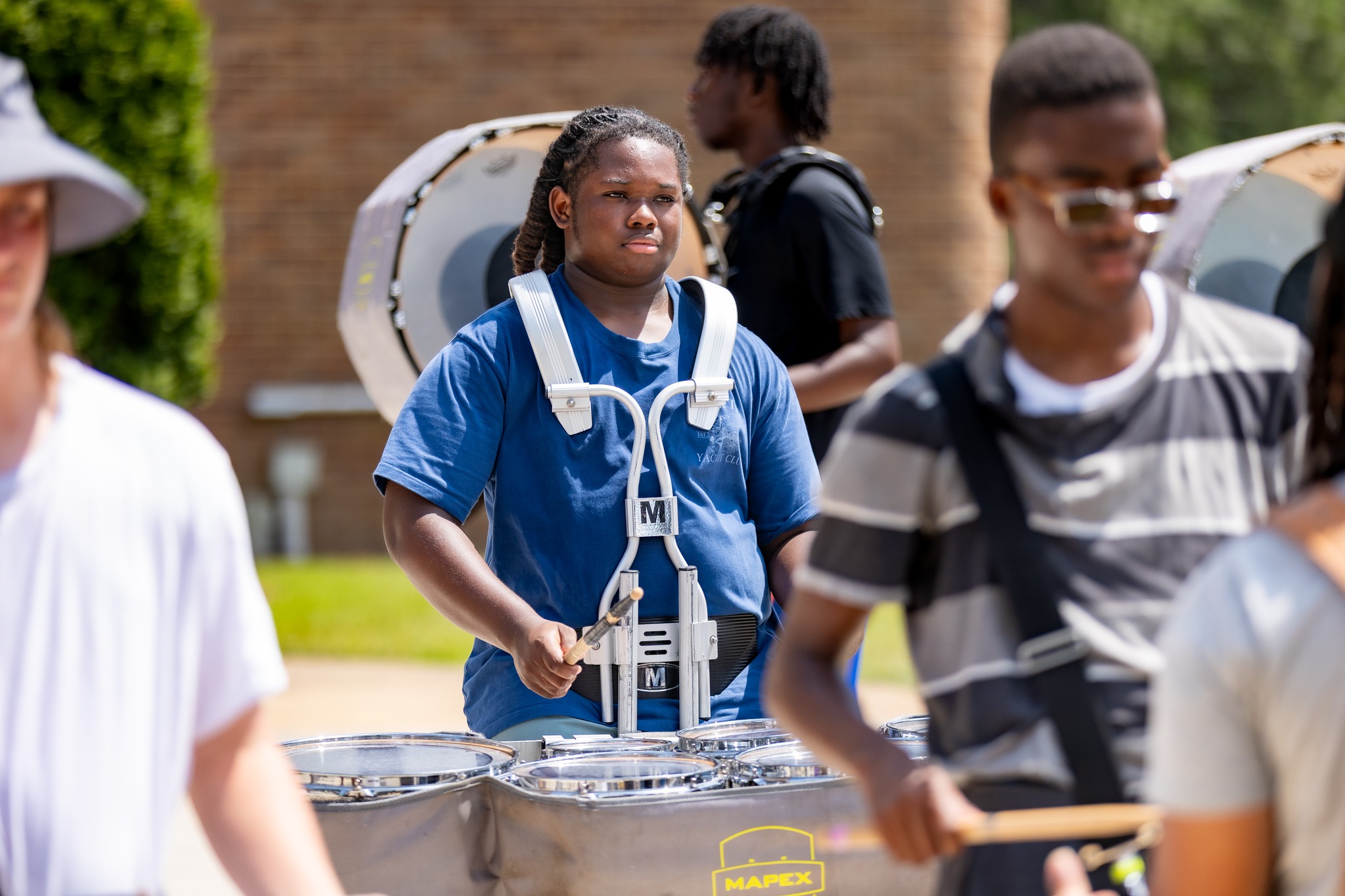
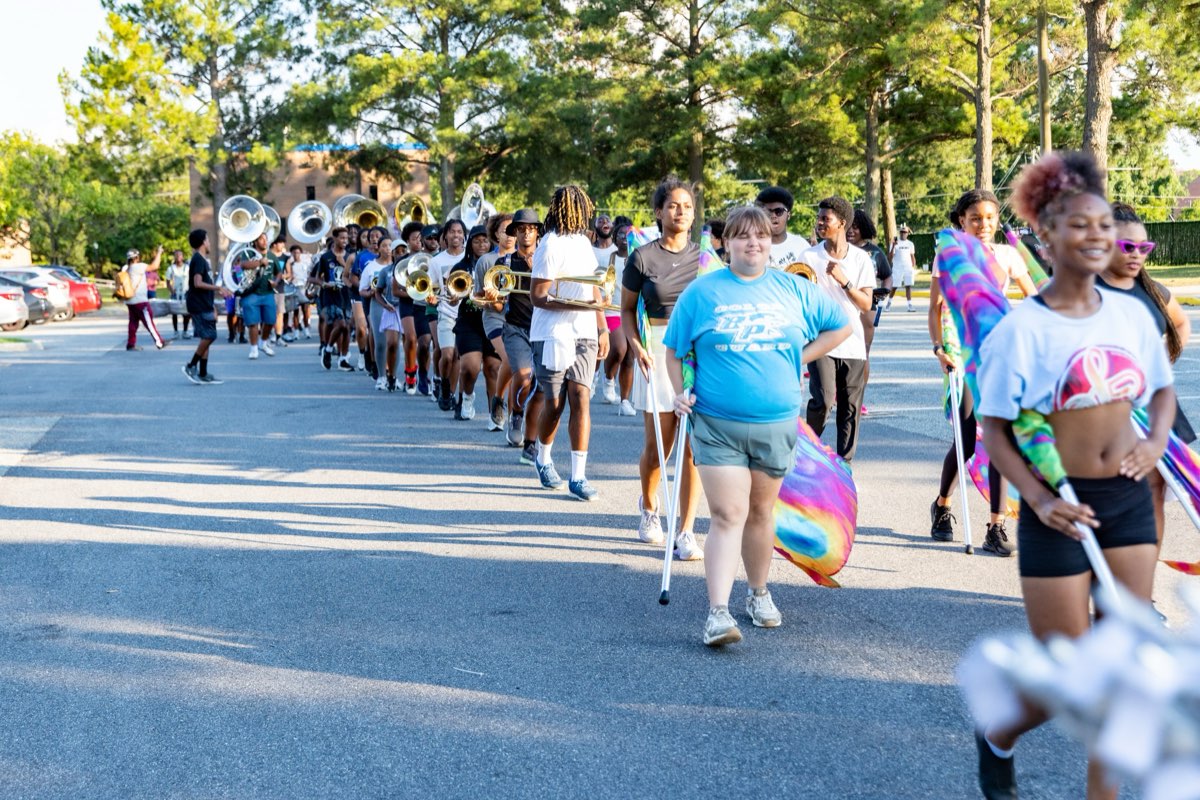
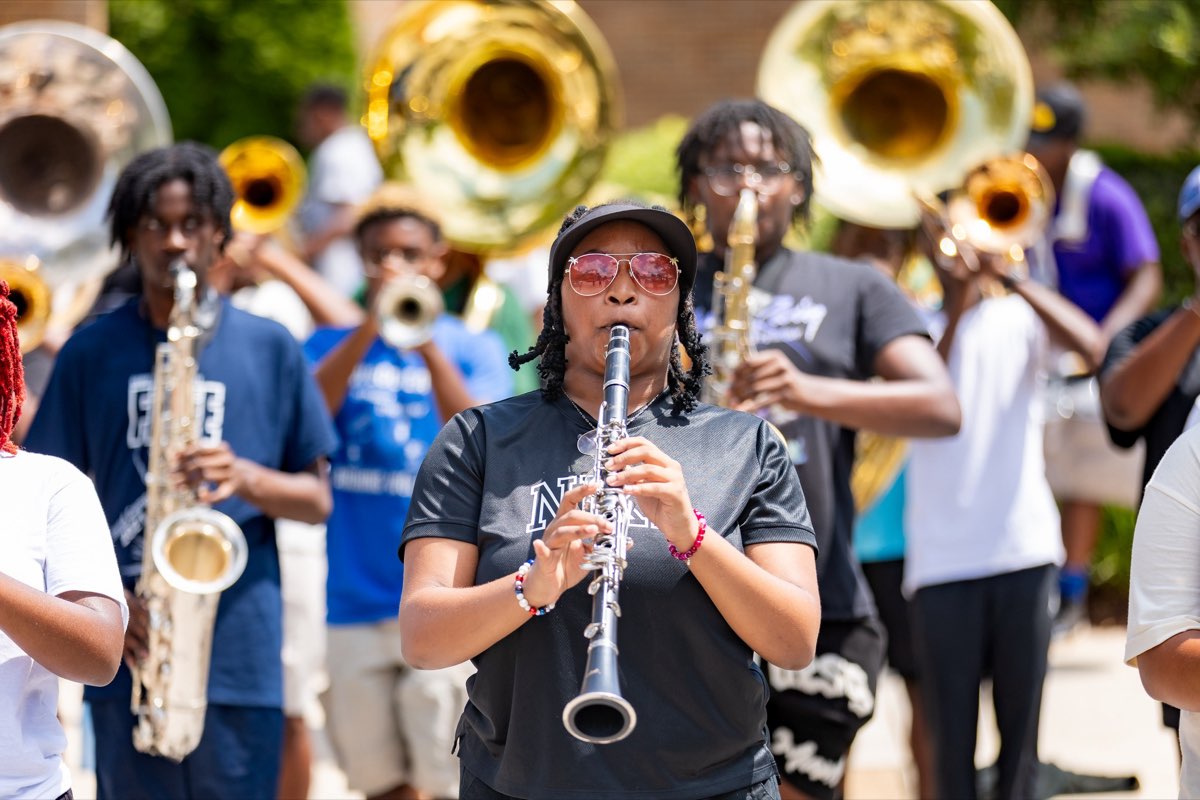
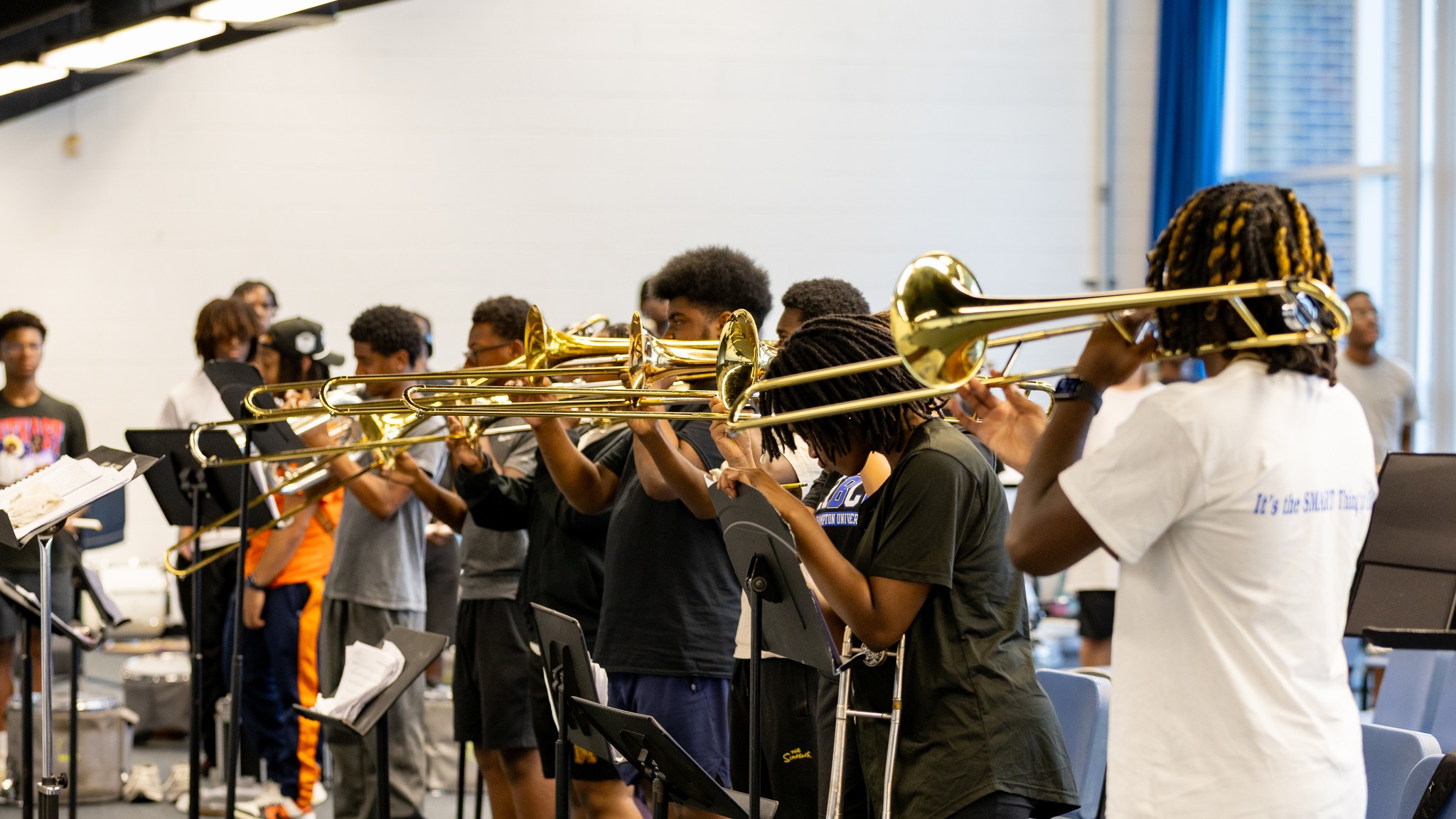
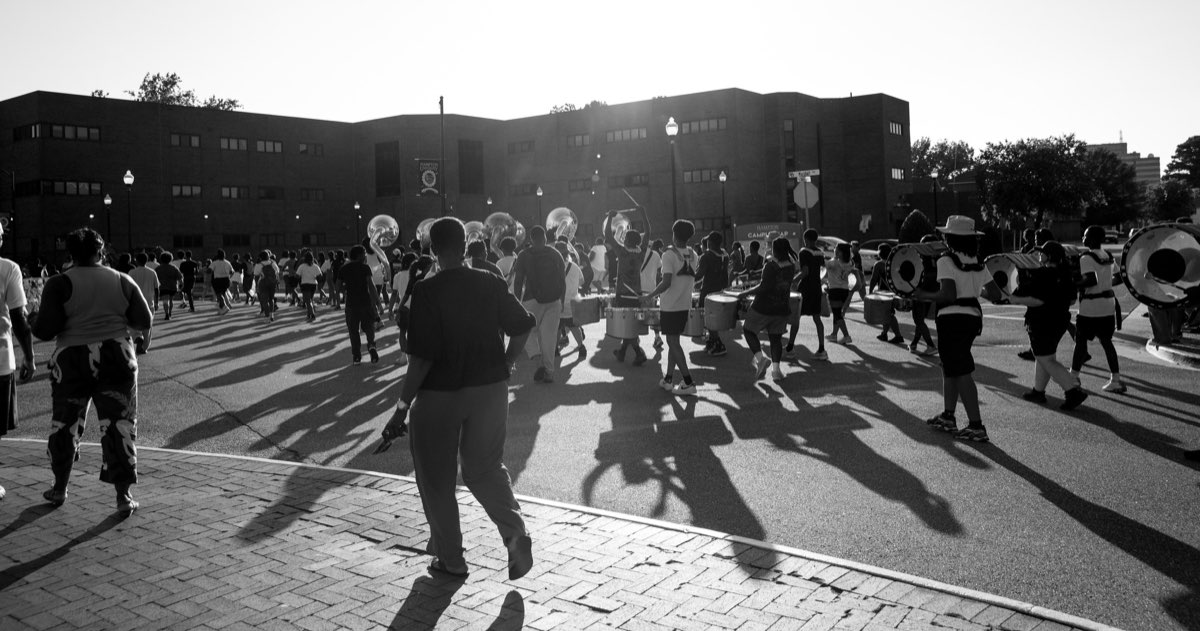
The purpose of this explanatory thesis is to explore the role of Mass Bands, Community Bands, and All-Star Bands as culturally-relevant, community-driven alternatives to traditional summer music programs. These ensembles, largely influenced by the Historically Black College and University (HBCU) band tradition, provide safe, accessible, and enriching musical opportunities for students of color from lower socioeconomic backgrounds. Through qualitative case studies, this research will examine the strengths, challenges, and potential areas of growth within mass band culture, ultimately proposing a framework for integrating culturally-relevant pedagogy into music education.
04 · Significance of the Study
This study is significant because it highlights an underexplored area in music education. There is currently no substantial body of research dedicated to mass bands as a cultural phenomenon or as a pedagogical model. By documenting the practices, challenges, and successes of these programs, the research will make both theoretical and practical contributions to the field. The findings may help educators develop inclusive frameworks that better serve diverse populations, especially in urban settings. Furthermore, this study addresses important social implications by examining how mass bands provide mentorship, safe spaces, and cultural validation for at-risk youth.
05 · Primary Research Questions
Primary Question. How do mass bands, community bands, and all-star bands serve as culturally-relevant, community-driven models for music education among diverse students of lower socioeconomic status?
Secondary Questions.
- What are the strengths and benefits of mass band culture for participating students and communities?
- What criticisms or challenges exist within mass band programs, and how might they be addressed?
- How can lessons from mass band practices inform broader frameworks of music education for diverse cultural contexts?
06 · Overview of the Research Plan
This study will employ a qualitative case study design to investigate mass band culture. Data will be collected through interviews, observations, and analysis of program materials. The study will focus on programs led by HBCU alumni who mentor and teach students during the summer months. Data will be analyzed thematically to identify recurring themes, benefits, and limitations of mass band programs. The ultimate goal is to propose a culturally-relevant framework that adapts traditional music education pedagogy to the lived experiences of students from underserved communities.
07 · Summary
This chapter has outlined the historical background of summer music programs, identified the lack of inclusivity in traditional Drum and Bugle Corps, and introduced mass bands as culturally-relevant alternatives. The chapter also established the research problem, purpose, significance, and guiding questions. The following chapters will present a review of relevant literature and the methodology to be used in this study.